Ivermectin Side Effects and Drug Interactions: What to Know
By IvermectinForSale Editorial Team ·
Ivermectin has been used in hundreds of millions of people, so its side effects are well mapped. Most are mild and short-lived. A few are serious and tend to happen in specific situations. This guide sets them out, along with the interactions and health conditions worth raising with a pharmacist before you start. It's a summary, not a replacement for the leaflet in your pack.
Common side effects
The FDA label and the National Library of Medicine's MedlinePlus page list these as the reactions people report most:
- dizziness or lightheadedness
- nausea, vomiting or loss of appetite
- diarrhea, constipation or stomach pain
- sleepiness or tiredness
- itching or a mild rash
- tremor (uncontrollable shaking)
Many of these overlap with symptoms of the infection being treated, which makes them hard to pin on the drug. If one is bothering you, tell the pharmacist or prescriber rather than stopping on your own.
The Mazzotti reaction
People treated for onchocerciasis (river blindness) can get a specific set of symptoms as the larvae die off: itching, rash, fever, swollen and tender lymph glands, joint pain, and sometimes swelling or dizziness on standing. It's an inflammatory response to dying parasites rather than a direct drug effect, and it usually settles over a few days. Anyone being treated for this infection should be under a doctor's care.
Rare but serious reactions
Brain and nerve effects. In people with a heavy infection of the eye worm Loa loa, found in parts of Central and West Africa, ivermectin can trigger serious brain inflammation (encephalopathy). Anyone who has lived in those areas should be assessed before treatment.
Severe skin reactions. Rarely, serious rashes with blistering or peeling have been reported. Stop and get urgent care for any rash with fever, blisters or sores in the mouth or eyes.
Liver problems. There are reports of liver injury. Yellowing skin or eyes, dark urine or pain under the right ribs need prompt medical attention.
Overdose. Most serious poisonings reported to the FDA involved people taking veterinary products made for horses or cattle. Symptoms include vomiting, low blood pressure, confusion, balance problems, seizures and coma. Our guide to veterinary ivermectin explains why those products are dangerous for people.
For an emergency, call 911. For suspected overdose, Poison Control is reachable at 1-800-222-1222.
Drug interactions
Warfarin. There are reports of the blood-thinning effect of warfarin increasing when ivermectin is added, raising INR. Anyone on warfarin needs their prescriber to know and may need extra blood tests.
Medicines that affect the same transport systems. Ivermectin is handled by liver enzymes (CYP3A4) and a transport protein called P-glycoprotein. Drugs that strongly block those, such as some antifungals, certain HIV medicines and some heart drugs, can raise ivermectin levels. Your pharmacist can check your full list.
Sedatives and alcohol. Because ivermectin can cause dizziness and sleepiness, combining it with sedating medicines or alcohol can make those worse.
That's why our health questionnaire asks for every medicine and supplement you take. The pharmacist uses it to spot clashes before anything is dispensed.
Who should talk to a doctor first
- anyone pregnant, trying to become pregnant or breastfeeding
- people with liver disease
- people with a weakened immune system, including those on steroids
- anyone who has lived in Central or West Africa (because of Loa loa)
- children weighing under 15 kg (33 lb), for whom the label says safety hasn't been established
Does strength change the risk?
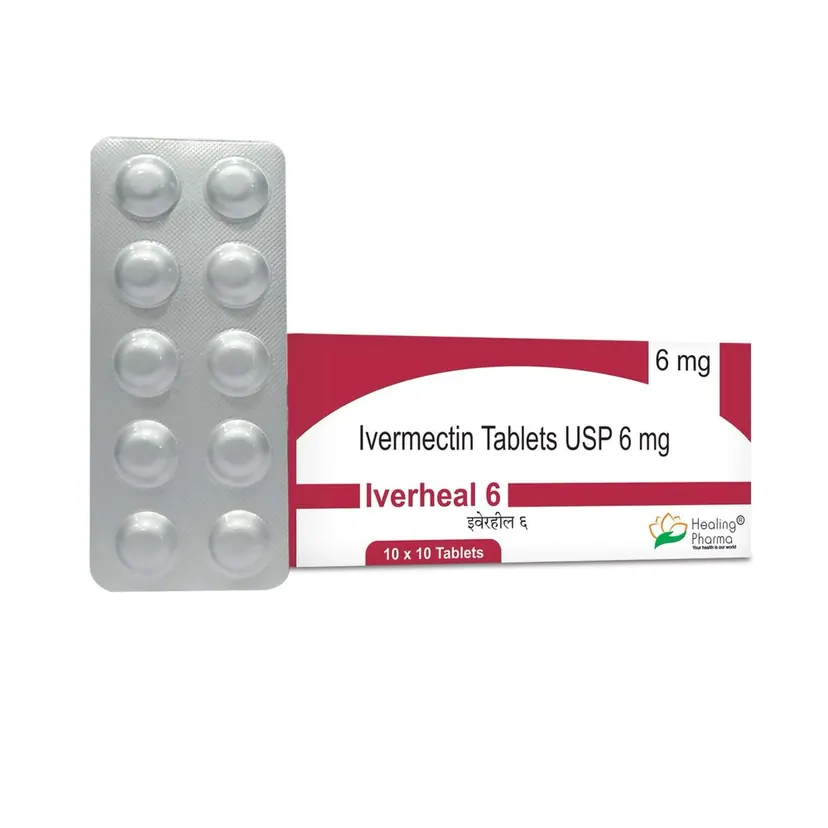
Side effects relate to the total dose for your weight, not whether it comes as 3mg tablets or a 12mg tablet. A higher-strength tablet simply means fewer pills. Our strength comparison covers that, and the prescriber or pharmacist sets the dose either way.
Reporting a side effect
You can report a suspected side effect to the FDA through MedWatch on fda.gov. It helps the agency spot patterns, and you don't need to be a health professional to file one. You can also tell us; contact details are on the contact page.
What the pharmacist's screening looks for
When you order, the questionnaire asks about the situations above for a reason. A pharmacist reviewing it is looking for:
- medicines that interact, especially warfarin and drugs that block CYP3A4 or P-glycoprotein
- conditions that change the risk, such as liver disease or a weakened immune system
- pregnancy and breastfeeding, which need a doctor's input
- travel or residence in regions where Loa loa is common
- signs that the reason for wanting ivermectin isn't one it treats
If something comes up, the pharmacist may call or email you, suggest seeing a doctor, or decline the order. That's the safety check doing its job.
Side effects in children and older adults
The label says safety hasn't been established in children who weigh less than 15 kg (33 lb). For older adults, the general advice is to start conversations with a prescriber, partly because older people are more likely to be on several medicines that could interact. Neither group should be dosed from an online chart.
Storage and handling
Keep tablets in their original packaging at room temperature, away from moisture and out of reach of children and pets. Don't use them past the expiry date. If you have leftover tablets after a course, ask a pharmacist about safe disposal rather than keeping them for later. Questions about orders or packaging can go to us through the contact page, and practical questions are answered on our questions page.
Before you order
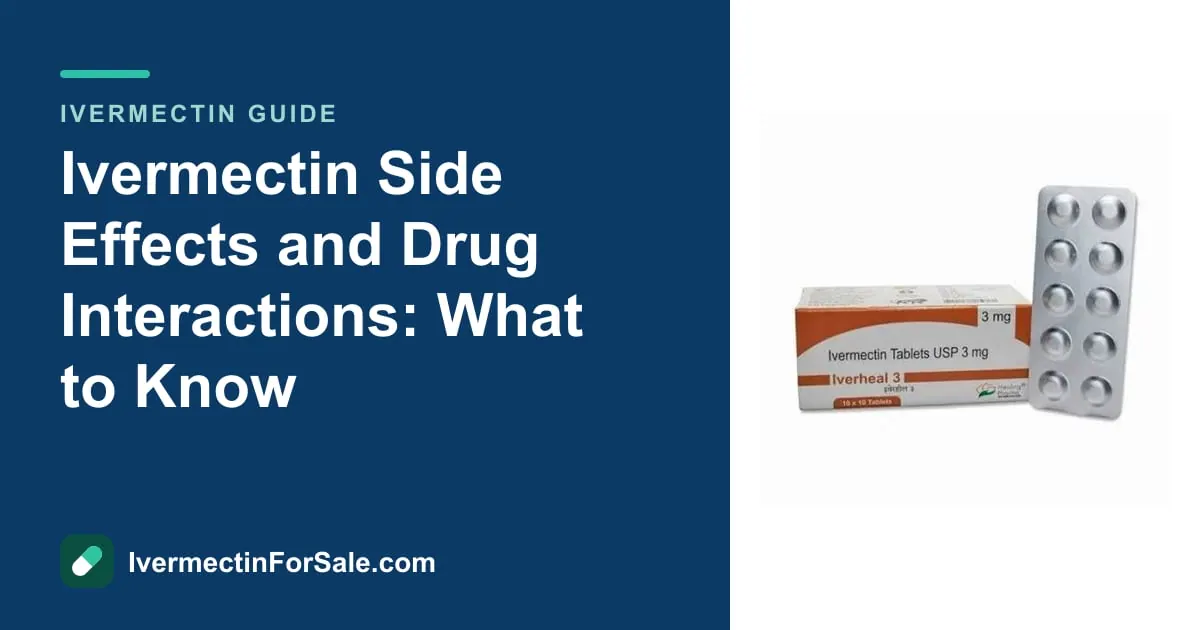
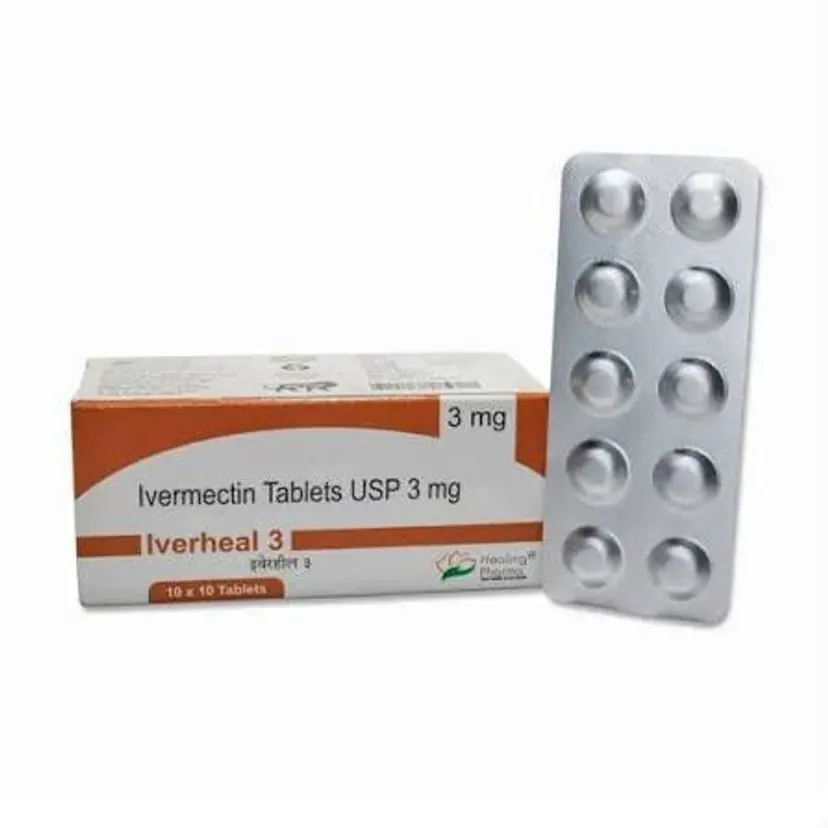
Every order for our Iverheal tablets needs a valid prescription, in every state, and a pharmacist checks the points above before anything ships. Iverheal is made in India by Healing Pharma and is not FDA-approved. How to get ivermectin explains the prescription route, the state guide covers each state's law, and see pack prices on the price page. More common questions are answered in our FAQ.
Frequently asked questions
What are the most common side effects of ivermectin?+
The label lists dizziness, nausea, diarrhea, constipation, stomach pain, sleepiness, itching and tremor among the most reported. Most are mild and short-lived.
Can ivermectin interact with warfarin?+
Yes. There are reports of warfarin's effect increasing, which raises bleeding risk. Anyone on warfarin should tell their prescriber and may need extra INR checks.
What is the Mazzotti reaction?+
An inflammatory reaction (itching, rash, fever, swollen glands, joint pain) that can happen when ivermectin kills river-blindness larvae. It usually settles in a few days.
Is ivermectin safe in pregnancy?+
Pregnant or breastfeeding people should talk to a doctor first. It isn't a decision to make from a website.
What should I do if I think I took too much?+
Call Poison Control at 1-800-222-1222, or 911 for severe symptoms such as seizures, confusion or trouble breathing.
How do I report a side effect?+
You can report it to the FDA through MedWatch on fda.gov, and let your pharmacist know too.
This article is general information, not medical advice. Oral ivermectin is a prescription medicine under US federal law, and only some states let pharmacists dispense it without an individual prescription. Talk to your doctor or pharmacist before using it.
- Ivermectin
- Safety
- Side effects