Ivermectin Uses: What the FDA Has Actually Approved
By IvermectinForSale Editorial Team ·
Search "ivermectin uses" and you'll get everything from worm infections to cancer cures. Only some of that is grounded in evidence. This page sorts the uses into three honest buckets: what the FDA has approved, what doctors reasonably prescribe off-label, and what simply isn't supported.
Approved use 1: intestinal strongyloidiasis
Strongyloides stercoralis is a tiny roundworm that lives in soil in warm, damp places, including parts of the southern US. It gets in through the skin, usually bare feet, and can settle in the gut for years. Many people have no symptoms. Others get stomach pain, diarrhea, rashes or a cough.
The danger is in people with weakened immune systems, including anyone on high-dose steroids. In them the infection can spread through the body, which is life-threatening. CDC guidance lists ivermectin as the usual first choice, and this is one of the two uses on the FDA label. The CDC has background on the infection on its parasites pages.
Approved use 2: onchocerciasis (river blindness)
Onchocerciasis is spread by black flies that breed near fast-flowing rivers, mainly in Africa, with smaller pockets in Latin America and Yemen. The worm's larvae move through the skin and eyes, causing intense itching, skin changes and, over time, blindness.
Ivermectin acts on those larvae, and it's the drug behind large donated-medicine programs against river blindness, work the 2015 Nobel Prize recognized. In the US you'd mostly see this in people who've lived in affected areas.
Approved topical uses
Two topical ivermectin products have their own FDA approvals:
- Head lice. A 0.5% lotion (Sklice) applied to dry hair and scalp.
- Rosacea. A 1% cream (Soolantra) for the inflammatory bumps and pimples of rosacea.
Both are prescription products. They're mentioned here because people sometimes assume the tablets do the same jobs, and they aren't interchangeable.
Common off-label uses
Off-label prescribing means a doctor uses an approved drug for a condition that isn't on its label, based on evidence and judgement. With ivermectin, the main examples are:
- Scabies, especially crusted scabies or outbreaks in care homes, where oral treatment is often paired with a topical cream.
- Other worm infections, such as some cases of ascariasis or cutaneous larva migrans, typically under specialist or travel-medicine advice.
These are decisions for a prescriber, including which tablet strength fits. Our strength comparison explains how 3mg, 6mg and 12mg tablets differ.
Uses the evidence doesn't support
COVID-19. The FDA has not approved or authorized ivermectin to treat or prevent COVID-19. Several large randomized trials, including NIH-funded research, found it did not help people recover faster or keep them out of hospital. You'll still see claims online. We don't make them, and we won't sell on that basis.
Cancer. There's laboratory research on ivermectin and cancer cells, but no approval and no solid evidence that it treats cancer in people. Please don't swap or delay cancer treatment for it.
General "parasite cleanses". Taking an antiparasitic without a diagnosed infection isn't a recognized use, and it exposes you to side effects for no clear gain.
The FDA keeps its consumer guidance on fda.gov, and it's worth reading before you act on anything you've seen on social media.
Getting it for an approved use
If you have a diagnosed infection, the simplest route is a prescription from your doctor. A few states also let in-state pharmacists dispense FDA-approved ivermectin after a screening. Those laws are explained on our ivermectin OTC page and in detail on the state guide.
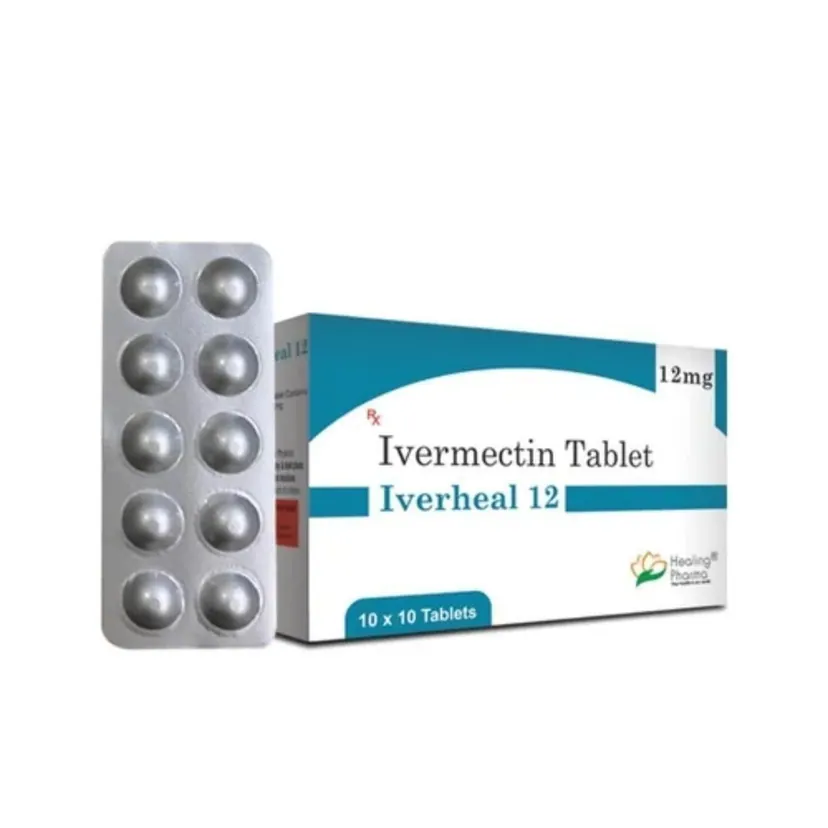
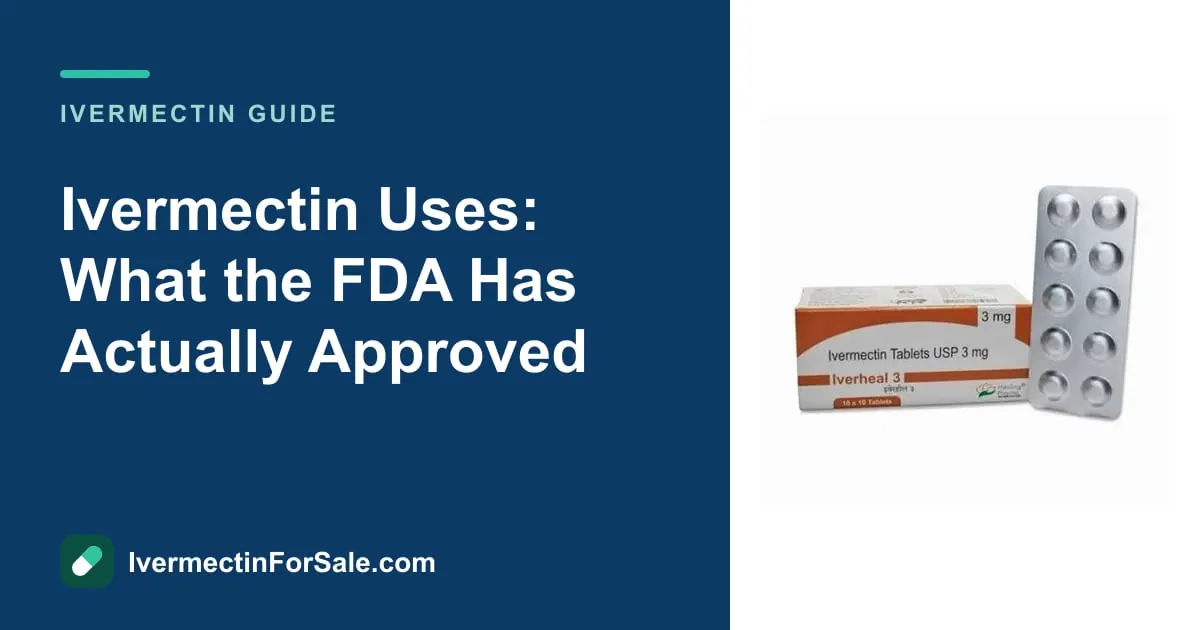
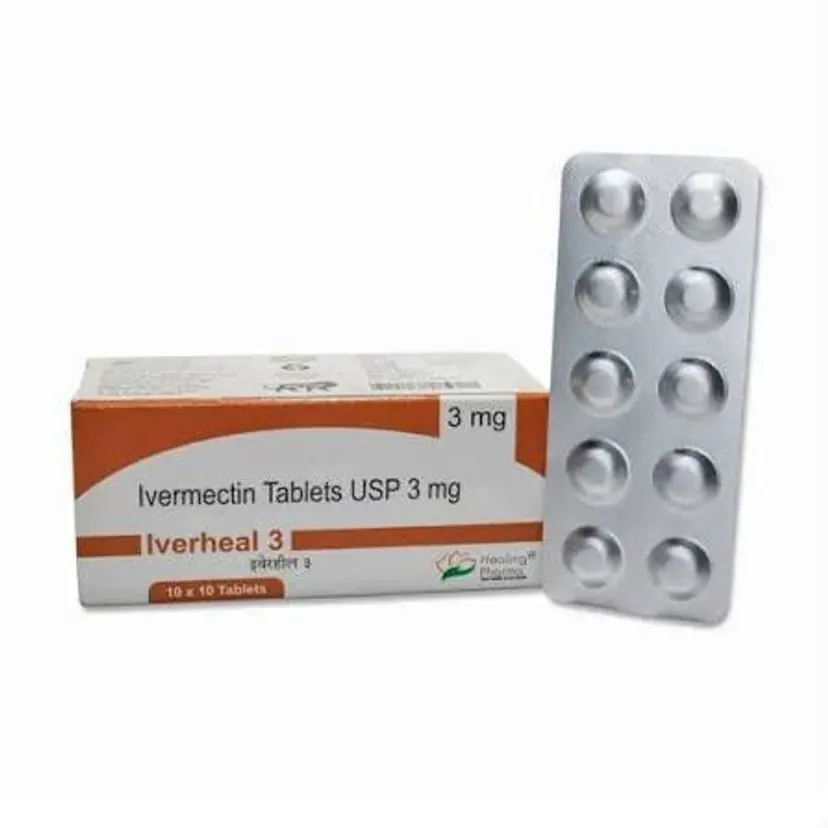
We sell Iverheal 3, 6, 12 and 24, ivermectin tablets made in India by Healing Pharma. Iverheal is not FDA-approved, every order needs a valid prescription in every state, and a pharmacist reviews each order before it ships. How to get ivermectin explains the steps, you can see pack sizes on the Iverheal 3 page and prices on the price guide. Orders ship tracked by USPS; the shipping page has the details.
A note on dosing
Ivermectin is dosed by body weight and by the condition being treated, and some infections need a repeat dose. That's exactly why a pharmacist or prescriber should set it. Follow the label and the instructions you're given, not a number from a forum.
How a diagnosis is usually made
For strongyloidiasis, doctors typically order a blood antibody test, sometimes alongside stool samples, because the worm can be hard to find in stool alone. People who've lived in tropical or subtropical areas, including parts of the southeastern US, veterans who served in endemic regions, and anyone about to start steroids or chemotherapy may be screened even without symptoms. Scabies is usually diagnosed by a clinician looking at the skin, sometimes with a skin scraping. River blindness diagnosis involves skin snips and eye examinations and is handled by specialists.
That matters because ivermectin only helps if the infection is one it treats. Taking it "just in case" doesn't replace a test.
Why some infections need a second dose
Some parasites have life stages that ivermectin doesn't reach in one go, or can reinfect the body from eggs already present. Strongyloidiasis follow-up may involve repeat testing. Your prescriber or pharmacist decides whether a second dose is part of the plan and tells you when. It's another reason the dose and schedule shouldn't come from guesswork.
Uses in animals don't carry over
Ivermectin is widely used by vets for heartworm prevention in dogs and for worms in horses and livestock. Those uses are approved for those species at those doses. They don't tell us anything about using the same products in people, and the FDA has warned strongly against it. Here's why animal products are dangerous for people.
Bottom line
Ivermectin has two approved oral uses, two approved topical ones, and a handful of reasonable off-label uses a doctor might choose. Beyond that, the claims outrun the evidence. If you think you need it, get the diagnosis first, then the right product and dose from someone qualified.
Frequently asked questions
What is ivermectin FDA-approved for?+
Oral tablets are approved for intestinal strongyloidiasis and onchocerciasis. A 0.5% lotion is approved for head lice and a 1% cream for rosacea.
Can doctors prescribe ivermectin for scabies?+
Yes, as an off-label use. It's commonly used for crusted scabies and outbreaks, usually alongside a topical treatment, at a dose the prescriber sets.
Is ivermectin approved for COVID-19?+
No. The FDA has not approved or authorized it for COVID-19, and large randomized trials did not show it helped people recover.
Does ivermectin treat cancer?+
There's no approval and no solid evidence that it treats cancer in people. Laboratory studies aren't the same as proof in patients.
Are the cream and the tablets interchangeable?+
No. The cream treats rosacea and the lotion treats head lice. Tablets are for internal parasitic infections. Each is a separate prescription product.
This article is general information, not medical advice. Oral ivermectin is a prescription medicine under US federal law, and only some states let pharmacists dispense it without an individual prescription. Talk to your doctor or pharmacist before using it.
- Ivermectin
- Uses
- FDA