What Is Ivermectin? A Plain-English Guide for US Readers
By IvermectinForSale Editorial Team ·
Ivermectin is one of those medicines most people had never heard of until a few years ago, and then suddenly everyone had an opinion about it. Strip away the noise and it's a fairly old, well-understood antiparasitic drug with a short list of approved human uses. This guide covers what it actually is, where it came from, and how buying it works in the United States today.
Where ivermectin came from
The drug traces back to a soil bacterium, Streptomyces avermitilis, found in Japan in the 1970s. Researchers turned compounds from it into a family of antiparasitic medicines, and ivermectin became the best known of them. It was used first in animals, then in people. The work mattered enough that William Campbell and Satoshi Ōmura shared the 2015 Nobel Prize in Physiology or Medicine for it, largely because of what ivermectin did against river blindness in Africa and Latin America.
So this isn't a new or experimental chemical. It has decades of use behind it, which is also why the list of known side effects and interactions is well documented.
What it does in the body
Ivermectin works on nerve and muscle cells in many worms and some insects. It binds to a type of chloride channel those parasites rely on, which paralyzes and kills them. Human nerve cells don't use that channel in the same way, and the drug doesn't readily cross into the human brain at normal doses.
That doesn't make it harmless. In people with very heavy infections of a particular parasite, or in anyone who takes far too much (often from animal products, more on that below), it can cause serious problems.
What the FDA has approved it for
In humans, the FDA has approved oral ivermectin tablets for two parasitic infections:
- Strongyloidiasis of the intestinal tract, caused by the threadworm Strongyloides stercoralis
- Onchocerciasis, or river blindness, caused by Onchocerca volvulus
Doctors also prescribe it off-label for some other parasitic problems, such as scabies, where the evidence supports it. Topical versions have their own approvals: a lotion for head lice (sold as Sklice) and a cream for the bumps and pimples of rosacea (sold as Soolantra).
What the FDA has not done is approve ivermectin to treat or prevent COVID-19. Large randomized trials, including studies funded by the NIH, did not find that it helped people with COVID recover. We cover the approved uses in more depth in our guide to ivermectin uses.
The forms you'll see in the US
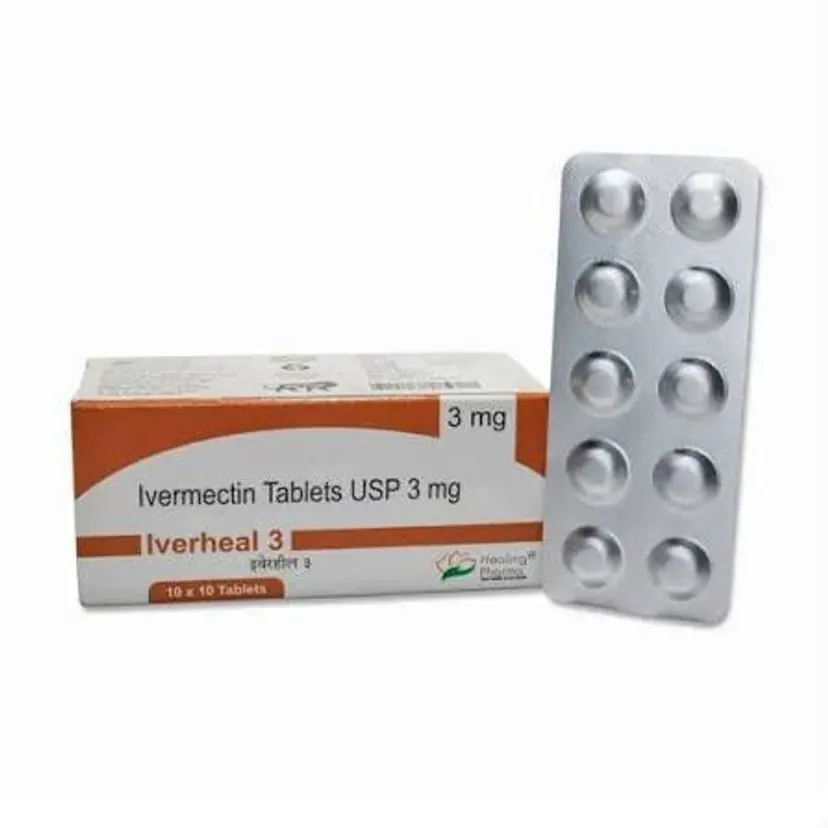
3mg tablets. This is the only oral strength made commercially for people in the US. The brand is Stromectol from Merck, and there are FDA-approved generics. If you're curious how brand and generic compare, read Stromectol vs generic ivermectin.
Compounded capsules. Because the dose is based on body weight, some prescribers ask a compounding pharmacy to make higher-strength capsules so a patient takes fewer pills. These need a prescription, and our strength comparison explains the trade-offs.
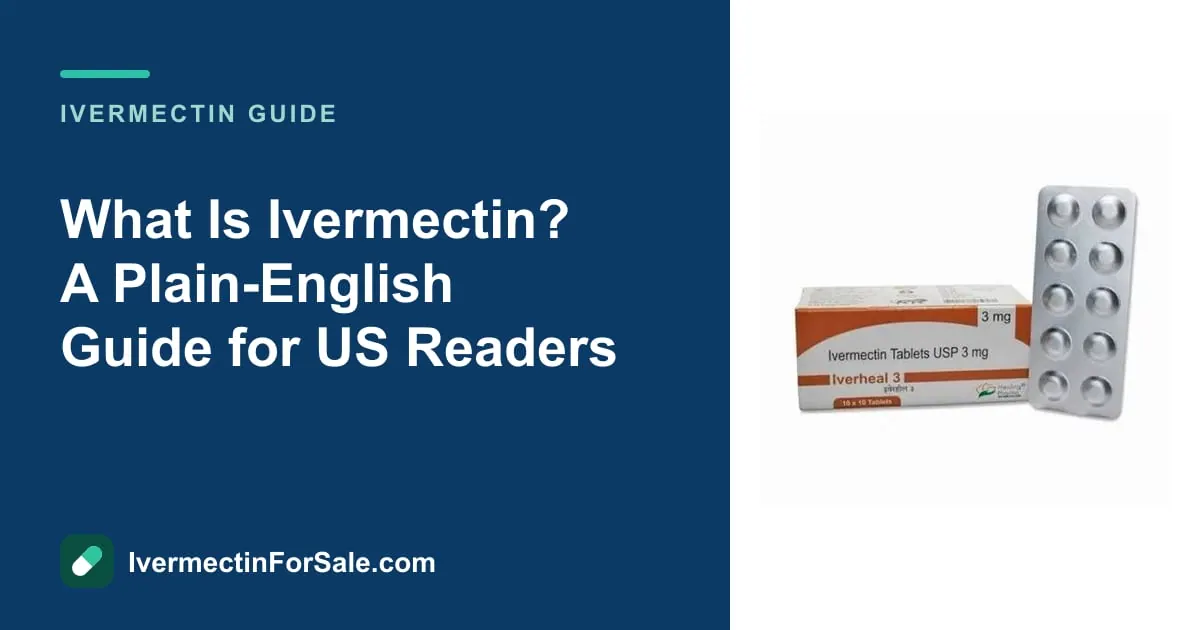
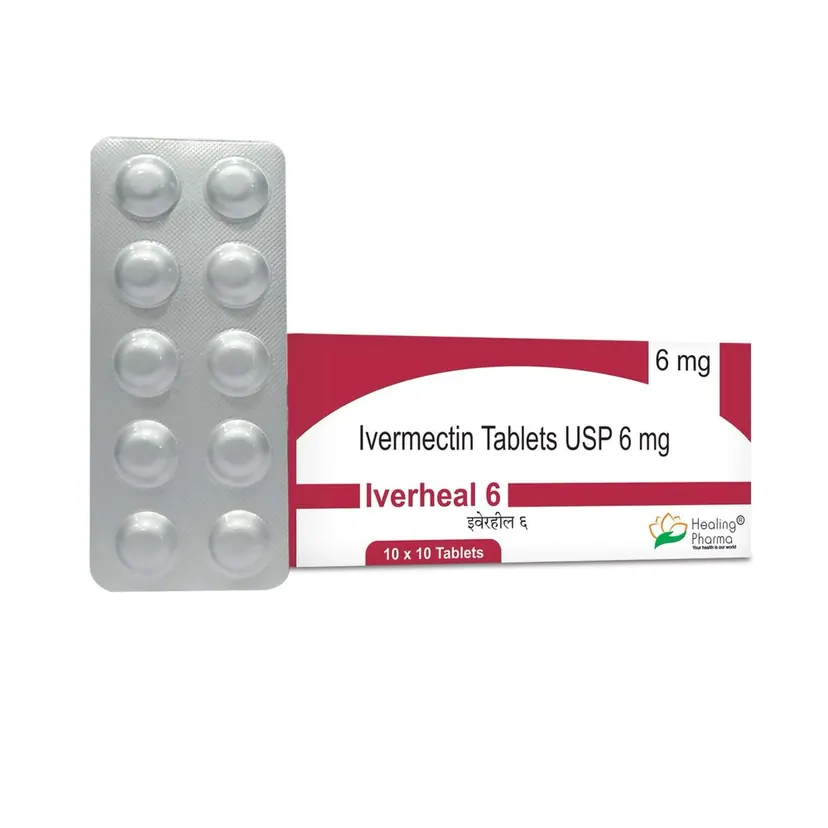
Tablets made outside the US. Ivermectin tablets in strengths such as 6mg, 12mg and 24mg are made for markets abroad. Iverheal, made in India by Healing Pharma, is one of them, and it's what we sell: Iverheal 3, Iverheal 6, Iverheal 12 and Iverheal 24. Iverheal is not FDA-approved, and we supply it only against a valid prescription from a licensed US prescriber.
Topicals. The lotion and cream mentioned above are prescription products for skin and scalp conditions, not substitutes for tablets.
Veterinary products. Pastes, drenches and injectables for horses and livestock are not made for people and can be dangerously concentrated. The FDA has repeatedly warned against human use. This guide explains why.
Do you need a prescription?
Under federal law, oral ivermectin is a prescription drug. That part hasn't changed. What has changed is that a group of states passed laws letting licensed pharmacists dispense it without an individual prescription, usually after a short health screening. As of late 2026 those states are Texas, Tennessee, Arkansas, Idaho, Louisiana, Iowa and Missouri, though the details differ from one to the next.
Everywhere else, you need a prescription from a licensed prescriber. Our state-by-state guide shows where your state stands, and how to get ivermectin walks through both routes.
How ordering works with us
Every order from us needs a valid prescription from a licensed US prescriber, in every state. The state laws above cover FDA-approved ivermectin dispensed by in-state pharmacies, so they don't apply to the Iverheal tablets we sell. At checkout you give your prescription or your prescriber's details and answer a short health questionnaire. A pharmacist reviews every order, and your card isn't charged until the order is approved. Checkout also tells you whether we can ship to your address yet.
Shipping is by USPS with tracking: Ground Advantage for $9.95 or Priority for $19.95, and the code FREESHIP covers shipping on orders with $99 or more of products. Details are on our shipping page, and current pack prices are on the ivermectin price page.
Safety in one paragraph
Common side effects reported on the label include dizziness, nausea, diarrhea and itching. Ivermectin can interact with warfarin, and anyone pregnant, breastfeeding, or with liver disease should talk to a prescriber first. The MedlinePlus entry from the National Library of Medicine is a good neutral summary: ivermectin on MedlinePlus. Our side effects and interactions guide goes further.
How ivermectin compares with other antiparasitic medicines
Ivermectin isn't the only drug for worms, and it isn't the right one for every infection. Pinworm, the most common worm infection in US children, is usually treated with pyrantel pamoate (sold over the counter) or mebendazole or albendazole on prescription. Tapeworms typically call for praziquantel. Ivermectin's strengths are threadworm (strongyloidiasis), river blindness, scabies and lice. That's one reason a diagnosis comes first: the wrong drug for the wrong parasite wastes time and money.
Why ivermectin became so well known
For most of its history, ivermectin was a quiet success story in global health. Since the late 1980s, the maker has donated hundreds of millions of treatments for river blindness programs, and those programs have pushed the disease back across large parts of Africa and Latin America. It's on the World Health Organization's list of essential medicines.
It became a household name for a different reason in 2020 and 2021, when it was promoted as a COVID-19 treatment. That led to shortages, a spike in people taking animal products, and a lot of confusion. The research since then has been clear enough that the FDA and NIH don't recommend it for COVID. None of that changes what it is approved for.
What to have ready before you order
Whichever route you take, have these to hand: your weight, a list of every medicine and supplement you take, any allergies, and whether you're pregnant, trying to conceive or breastfeeding. To order from us you'll also need the prescription itself or your prescriber's details. Having that ready makes the pharmacist's review quicker, and it's the same information a doctor would ask for. Our frequently asked questions cover the rest of the practical detail.
The short version
Ivermectin is a long-established antiparasitic with a narrow set of approved human uses. It's prescription-only at the federal level, with a growing list of states allowing pharmacists to dispense it directly. If you're thinking about it, start by checking your state, then let a pharmacist or prescriber decide whether it suits you and at what dose.
Frequently asked questions
What is ivermectin used for in people?+
The FDA has approved oral ivermectin tablets for intestinal strongyloidiasis and onchocerciasis (river blindness). Topical forms are approved for head lice and rosacea. Doctors also use it off-label for some other parasitic infections.
Is ivermectin a new drug?+
No. It was developed from a soil bacterium discovered in the 1970s and has been used in people for decades. Its discoverers shared the 2015 Nobel Prize in Physiology or Medicine.
Do I need a prescription for ivermectin?+
Federally, yes. Some states, including Texas, Tennessee, Arkansas, Idaho and Louisiana, let pharmacists dispense it without an individual prescription after a screening. Check our state guide for where you live.
Is ivermectin approved for COVID-19?+
No. The FDA has not approved or authorized ivermectin for COVID-19, and large NIH-funded trials did not find a benefit.
What strengths are available?+
The only FDA-approved oral strength in the US is the 3mg tablet (Stromectol and its generics). Compounding pharmacies can make other strengths on prescription. Tablets such as Iverheal 6, 12 and 24 are made abroad and aren't FDA-approved. We sell Iverheal 3, 6, 12 and 24, always with a prescription.
This article is general information, not medical advice. Oral ivermectin is a prescription medicine under US federal law, and only some states let pharmacists dispense it without an individual prescription. Talk to your doctor or pharmacist before using it.
- Ivermectin
- Basics
- FDA